
Table of Contents
- How to Use & Create Cinematic Images
- Power Trigger #1: "Cinematic"
- Power Trigger #2: "Dramatic"
- Power Trigger #3: "Depth of field"
- Power Trigger #4: "Moody"
- Power Trigger #5: "Color Graded"
- Power Trigger #6: "Low-Key"
- Power Trigger #7: "Wide Angle"
- Power Trigger #8: "Atmospheric"
- Power Trigger #9: "Film Grain"
- Power Trigger #10: "Backlit"
- Creating Cinematic Magic
- AI Image Generators vs. Visual Language
- Next-Level Image Generation
- FAQs
How to Use & Create Cinematic Images
Most people using AI to create visuals are doing the digital equivalent of pointing a disposable camera at their subject, mashing the auto button, and praying something magical happens. Then they scroll through their flat, lifeless, instantly forgettable results and wonder what went wrong with their attempt at creating cinematic images.
Here's what they're missing: cinematic images don't materialize from wishful thinking. They're constructed with deliberate intent. You reach for cinematic images when you're planning a short film concept, designing visuals for an album release, building social media content that stops thumbs mid-scroll, or crafting scenes that deserve a theater screen instead of burial in someone's feed.
The distance between forgettable visuals and cinematic images that land emotionally isn't about natural talent. It's about direction. And direction lives in the language you use.
Specific phrases tell AI systems exactly how to sculpt light, guide viewer focus, generate emotion, and construct depth. Once you grasp these signals, your cinematic images immediately gain richness, weight, and intention that feels professionally directed rather than accidentally assembled. Consider this your roadmap to images that look shot rather than generated.
Power Trigger #1: "Cinematic"
The first power trigger sounds deceptively simple: the word cinematic itself. People dismiss it as obvious, which is precisely why they underestimate its impact. This single term fundamentally shifts the output from generic to something that feels deliberately framed, purposefully lit, and carefully staged. It signals that you want narrative drama and visual substance instead of catalog blandness. Think scenes that appear directed by someone who understands visual storytelling.
Prompts to try:
- cinematic portrait of a warrior at sunset, dramatic shadows, film grain
- cinematic landscape of mountains, volumetric light cutting through clouds
Power Trigger #2: "Dramatic"
The second trigger introduces necessary conflict. When you include the word dramatic, you stop playing it safe. This term forces contrast into existence.
Highlights become strategic choices rather than accidents. Darkness earns its presence in the frame instead of being avoided.
The lighting starts serving the emotional moment instead of illuminating everything with the flat consistency of fluorescent office lighting. This single word gives your visuals protagonist energy, the kind of presence that commands attention rather than politely requesting it.
Prompts to try:
- dramatic lighting on a boxer in training, sweat glistening, cinematic close-up
- dramatic lighting through venetian blinds, film noir detective, moody atmosphere
Power Trigger #3: "Depth of field"
Professional cinematographers understand something most people overlook: lenses don't treat all elements equally, and neither should your prompts. The third power trigger, depth of field, involves depth control, specifically foreground separation and background treatment.
This immediately injects realism into your work. Whether you need razor-sharp focus on your subject or want a fully detailed environment where everything matters, controlling these visual layers represents one of the fastest upgrades available.
It transforms images from pancake-flat to dimensionally rich, creating that professional quality that makes viewers pause without knowing exactly why.
Prompts to try:
- portrait with shallow depth of field, subject in sharp focus, blurred background
- wide depth of field landscape, everything in focus from foreground flowers to distant mountains
Power Trigger #4: "Moody"
The fourth trigger deserves clarification because it's frequently misunderstood. Adding the word moody isn't about drowning everything in darkness for aesthetic posturing. This is about establishing emotional gravity.
When your vision requires visuals that feel introspective, tense, reflective, or quietly intense, this term injects atmosphere and purpose into every pixel. It creates the difference between a cheerful marketing brochure and a frame extracted from an independent film that lingers in memory long after viewing.
This is how you build images that carry emotional weight instead of just occupying screen space.
Prompts to try:
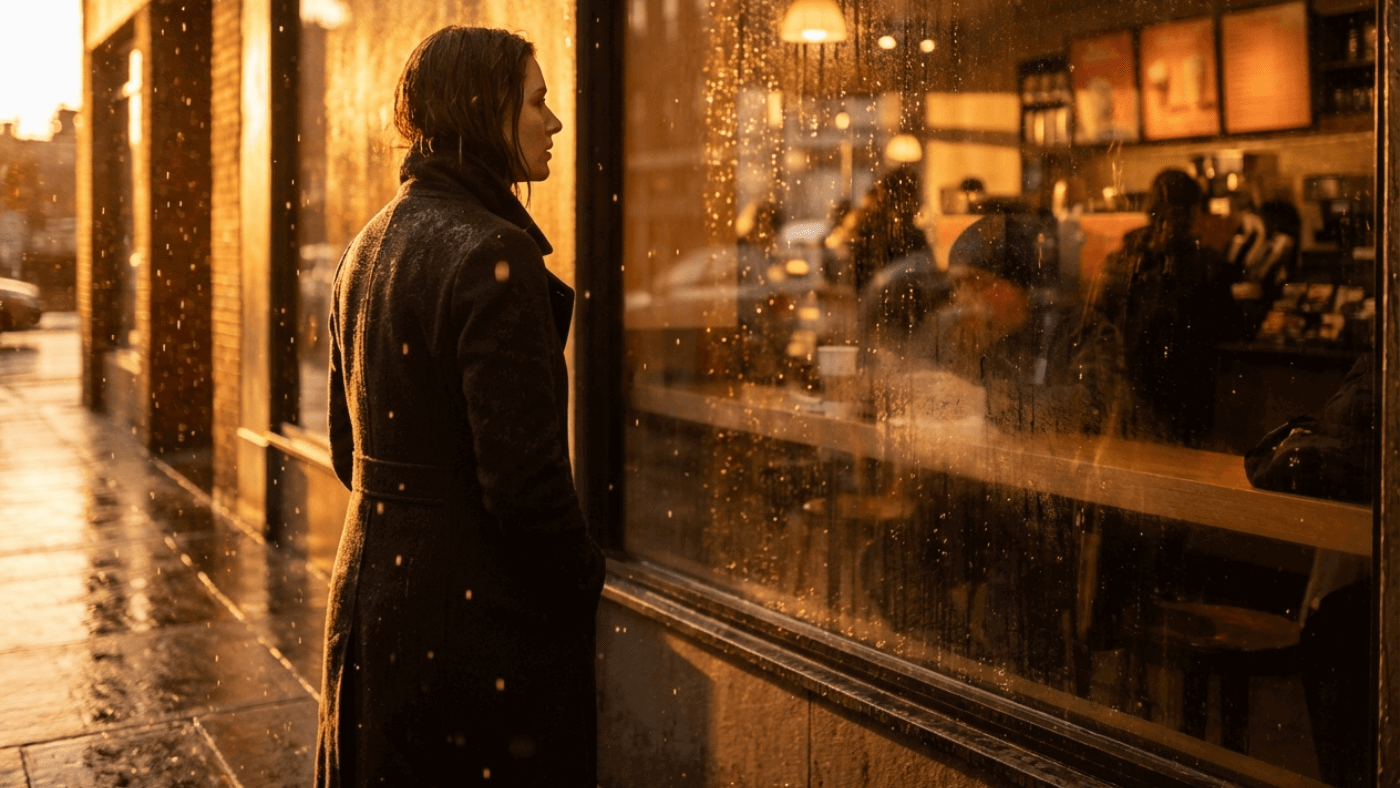
- moody cinematic portrait of a woman in rain, low-key lighting, color graded
- moody cyberpunk street scene, neon reflections, atmospheric fog
Power Trigger #5: "Color Graded"
Films never leave color to chance, and the fifth power trigger ensures your work doesn't either. The phrase color graded signals intentional tonal decisions.
Whether you're pursuing contrast-heavy palettes, restrained saturation levels, or stylized hues that serve specific moods, this tells the system your image has already passed through professional post-production thinking. It's one of the fastest quality upgrades available without adding complexity to your workflow.
This single phrase separates amateur output from work that looks like it emerged from a professional colorist's studio.
Prompts to try:
- color graded portrait, teal and orange tones, cinematic mood
- color graded with desaturated palette, moody atmosphere, dramatic lighting
Power Trigger #6: "Low-Key"
The sixth trigger introduces sophistication through restraint. When you specify low-key lighting, you're leaning into shadows, subtlety, and intimacy rather than blasting everything with even illumination.
This approach excels for portraits, emotional moments, or scenes where what remains hidden matters as much as what's revealed. If elegance and tension could be translated into visual vocabulary, this would be their primary dialect.
This lighting philosophy creates images that whisper rather than shout, that suggest rather than explain, that trust the viewer's intelligence to fill in what shadows conceal.
Prompts to try:
- low-key lighting portrait of an elderly musician, soft glow on face, black background
- low-key lighting in a jazz club, atmospheric smoke, dramatic shadows
Power Trigger #7: "Wide Angle"
Tight framing serves specific purposes, but the seventh power trigger reminds us that scale tells stories too. Using the phrase wide angle immediately provides scenes with context, environmental presence, and spatial relationships.
This is how you make a subject feel appropriately small against an expansive world or meaningfully grounded within it. This technique alone can transform ordinary compositions into cinematic images that feel purposefully designed rather than accidentally cropped.
It gives your work breathing room and allows viewers to understand not just what they're looking at but where it exists in relation to everything else.
Prompts to try:
- wide angle shot of lone figure in desert, cinematic composition, dramatic sky
- wide angle environmental portrait of chef in kitchen, atmospheric lighting, storytelling details.
Power Trigger #8: "Atmospheric"
Flat visuals feel artificial because they're missing something fundamental that the eighth trigger provides. The word atmospheric introduces essential layers: mist, haze, light diffusion, perceptible depth between visual planes. It creates separation and gives scenes room to exist as three-dimensional spaces rather than two-dimensional illustrations.
Fantasy projects, science fiction concepts, noir aesthetics, emotional portraits... this term carries serious weight when you're building immersive worlds.
This is how you add air to your images, that quality professional photographers and cinematographers spend careers mastering.
Prompts to try:
- atmospheric forest scene, volumetric light through trees, cinematic depth of field
- atmospheric portrait of a detective, film noir style, smoke and shadows
Power Trigger #9: "Film Grain"
The ninth power trigger challenges our assumption that perfection equals quality. Specifying film grain introduces subtle imperfection that paradoxically increases perceived realism and tactile presence.
Viewers instinctively trust images that feel imperfect, lived-in, and organic rather than computationally sterile. This represents one of those details that makes cinematic images feel expensive without announcing their production value.
It's the visual equivalent of a perfectly worn leather jacket versus one fresh off the rack. Both are quality items, but one has character the other lacks.
Prompts to try:
- portrait with film grain, cinematic lighting, color graded with muted tones
- street photography style, film grain, atmospheric lighting, storytelling composition
Power Trigger #10: "Backlit"
Few techniques create instant visual drama as effectively as the tenth trigger. Specifying back lighting (keyword: backlit) places illumination behind your subject, creating rim glow, silhouettes, and halos that function as visual poetry.
This technique separates subjects from their backgrounds, adds dimensional depth, and creates mystery without requiring explanatory text. Cinematographers return to this approach repeatedly for excellent reason: it works consistently to elevate ordinary scenes into memorable images.
It's the difference between documenting something and creating an emotional experience of it.
Prompts to try:
- backlit portrait at golden hour, rim light around hair, atmospheric haze
- backlit figure in doorway, silhouette, volumetric light streaming in
Creating Cinematic Magic
Here's where most people sabotage themselves: they dump every trigger into one prompt and hope something useful emerges. That's not direction; that's desperation.
You only need a handful of intentional cues (three or four at most) combined with a clear subject and emotional intention.
When your language maintains focus, the output follows suit.
That's how cinematic images stop looking accidental and start feeling designed by someone who understands visual storytelling at a fundamental level. More isn't better; precision is better.
AI Image Generators vs. Visual Language
Understanding platform differences matters more than most people realize. Not all generators interpret visual language identically. Some platforms excel at complex lighting scenarios and layered compositions. Others lean toward cleaner, commercially viable output.
Some systems respond powerfully to minimal instruction, while others reward detailed control and specific technical language. Understanding how each engine processes your instructions allows you to guide it more effectively, producing cinematic images that actually match your vision instead of fighting against platform limitations.
This isn't about mastering every tool; it's about understanding the one you're using.
Let us be clear about what actually matters here. Creating cinematic images isn't about writing longer prompts, cramming in technical jargon, or stuffing keywords like you're gaming a search algorithm from 2005. It's about emotional clarity.
When you communicate how a scene should feel, not just what should appear in the frame, the results shift immediately and noticeably. Mood, light quality, and directorial intention do the heavy lifting.
That's what separates forgettable visuals that get scrolled past from images that look like they belong on a theater poster, the kind people actually stop and examine because something about them demands attention.
Next-Level Image Generation
If you want consistent cinematic images without burning hours on trial-and-error experimentation, structured systems become essential rather than optional.
That's where resources like the EMAI App Suite prove valuable. Pre-built frameworks designed around proven visual language principles.
Instead of guessing which combinations might work, you start with structures that already understand how cinematic elements interact and reinforce each other. Less trial and more direction. Less frustration and higher impact. Better cinematic images, every single time. And that's the entire point of developing this understanding.
You're not meant to figure this out alone through endless failed attempts. You're meant to learn the language, apply it intentionally, and create work that actually matches what you envisioned instead of settling for what accidentally emerged.

FAQs
Do you offer live training?
You bet we do! In fact, our trainings start with live sessions. Why? Because we know real breakthroughs happen in real time… when you can ask questions, get clarity, and experience those “aha!” moments alongside others on the same journey. Every live training is recorded and turned into on-demand lessons, so you’ll never miss a thing even if life gets in the way.
Are replays available for live trainings?
Absolutely. Every single live session comes with full replay access. That means you get to review, revisit, and implement at your own pace, on your own schedule. Missed the live call? No worries! You’ll have all the material, all the insights, ready for you, whenever you need them.
Do you train on AI?
Yes, and we’ve been doing it long before it became a buzzword. Our head instructor, Tony Laidig, has been pioneering creative AI education since 2018, before most “experts” even knew what a prompt was! Tony is a trusted resource for major brands, a master of practical AI, and a best-kept secret for those who want real results. If you want to get ahead of the curve (and stay there), you’re in the right place.

![[12 Days of Giftmas] 🎁 Day 2: Mystical Journeys Magazine](https://dropinblog.net/img/3inz1i6s/700/day-2-giftmas-blog)