
Table of Contents
- Understanding the Children's Chapter Book Format
- Elements of Compelling Children's Chapter Books
- Creating a Series
- The Power of AI in Children's Chapter Book Creation
- Claim My Free Trial Conclusion
- Common Questions
- What age range is appropriate for Children's Chapter Books?
- How long should chapters be in a Children's Chapter Book?
- How many illustrations should be included in a Children's Chapter Book?
- What topics and themes work best for Children's Chapter Books?
- Should these books include educational content?
- How complex should the vocabulary be in chapter books?
- What makes a chapter book series successful?
- How do these books differ from middle-grade novels?
- Next Step
- FAQs
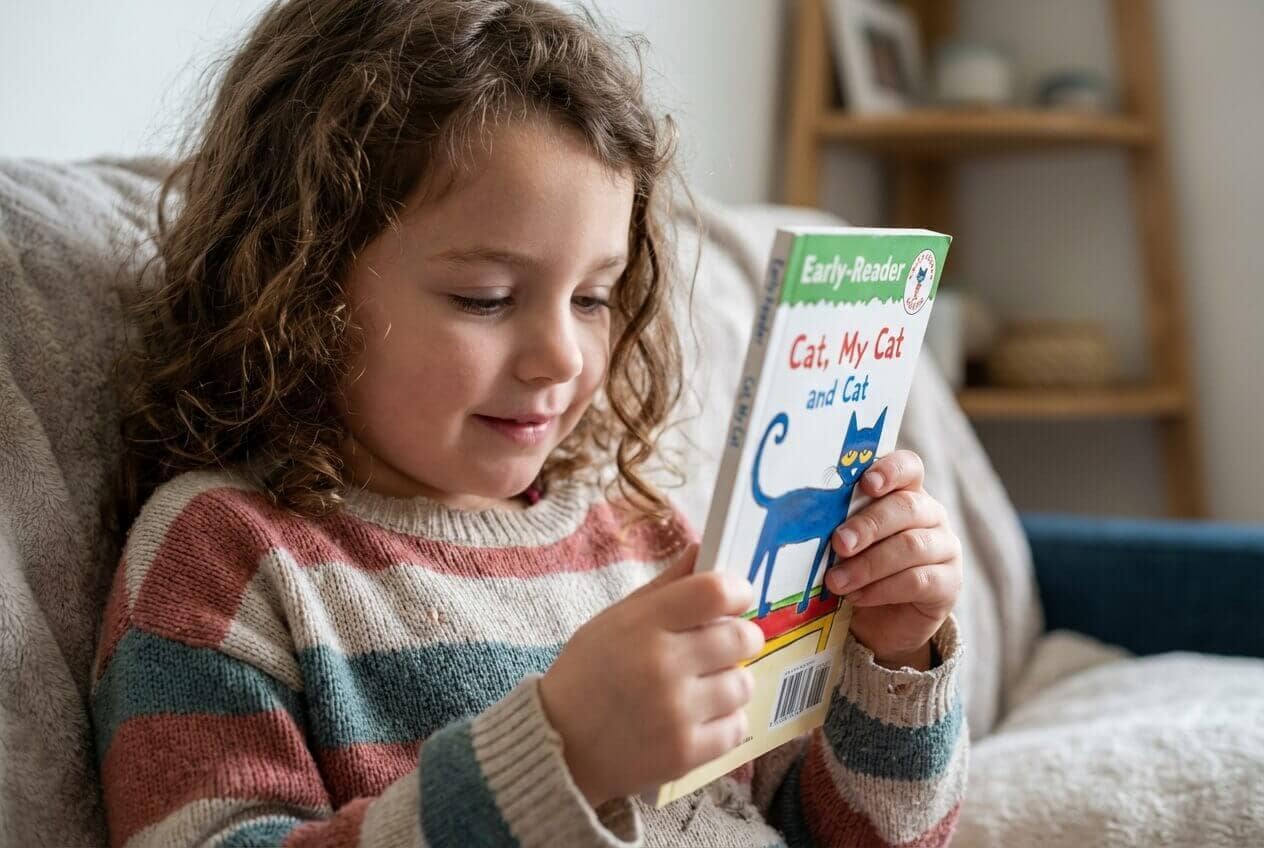
For young readers transitioning from early picture books to more substantial stories, Children's Chapter Books serve as a crucial bridge in their literacy journey. These books do more than entertain, they help children develop reading stamina, expand vocabulary, and foster a lifelong love of literature. But what exactly goes into creating a captivating chapter book that resonates with young minds?
Understanding the Children's Chapter Book Format
These types of books represent a significant leap in complexity from early readers, accommodating the rapidly developing literacy skills of children ages 6-9. While early readers might contain just 300 words, chapter books typically range from 12,000 to 25,000 words, divided into 6-12 chapters.
The structure of these books is carefully designed with young readers in mind:
Chapter length: Typically 1,000-3,000 words per chapter.
Natural stopping points: Chapters serve as convenient breaks for readers with 15-30 minute reading sessions.
Font size: Larger than adult books.
Vocabulary growth: Introducing new words in each chapter to support language development.
Illustrations: Fewer than early readers but still present.
Tailoring Content to Developmental Stages
Children's Chapter Books should align with the cognitive and emotional development of their target audience:
Beginning Chapter Book Readers (Ages 6-7)
These transitional readers benefit from shorter chapters, simple sentence structures, and more frequent illustrations to support their leap from picture books.
Developing Chapter Book Readers (Ages 8-9)
This group can handle longer chapters (1,000-2,000 words), more complex plots with subplots, and fewer illustrations while still requiring clear, engaging storytelling.
Advanced Chapter Book Readers (Ages 9-10)
These readers are ready for more sophisticated stories with 2,000-3,000 words per chapter, nuanced characters, multiple storylines, and minimal illustration support.
Elements of Compelling Children's Chapter Books
Character Development
Young readers connect deeply with protagonists who face realistic challenges and demonstrate personal growth. Characters should have strengths and weaknesses.
Dialogue and Voice
Dialogue often comprises a high amount of chapter book content, serving to advance the plot and reveal character. The natural conversation helps young readers understand character relationships.
Setting and World-Building
These types of books create vivid, believable settings that readers can visualize. These settings become more elaborate as the target age increases.
Themes and Messages
Popular themes include school life, friendship dynamics, family relationships, animals, adventure, mystery, and age-appropriate fantasy or science fiction. Current market trends also affect themes and messaging.
Creating a Series
Many successful chapter books exist within a series, allowing readers to develop deeper connections with beloved characters. When planning a series:
Maintain consistency in core character traits.
Ensure each book provides complete story satisfaction.
Plan educational themes that build complexity.
The Power of AI in Children's Chapter Book Creation
Modern authors can leverage AI tools to:
Generate character profiles.
Brainstorm age-appropriateness.
Explore creative settings.
Develop chapter outlines.
Create continuity between books in a series.
And more!
Bonus Tip
Use our pre-programmed Children's Chapter Book Writer app in our exclusive EMAI App Suite to create engaging stories!
Claim My Free Trial Conclusion
Children's Chapter Books play a vital role in children's literacy development, bridging the gap between early readers and more complex middle-grade fiction. By understanding the unique needs of developing readers and crafting stories with appropriate complexity, vocabulary, and themes, authors can create engaging books that children will return to again and again.
Whether focusing on magical adventures, realistic school stories, or character-driven narratives about friendship and growth, successful books share a common element... they respect young readers' developing abilities while challenging them to stretch just a little further with each page turned.
Common Questions
What age range is appropriate for Children's Chapter Books?
These books typically target children ages 6-10.
How long should chapters be in a Children's Chapter Book?
Chapters should range from 500-3,000 words depending on the target age.
How many illustrations should be included in a Children's Chapter Book?
These types of books contain fewer illustrations than picture books or early readers but still incorporate visual elements. Typically, include 1-3 illustrations per chapter, depending on the target age.
What topics and themes work best for Children's Chapter Books?
Popular themes include friendship challenges, school experiences, family relationships, pets and animals, mysteries, adventures, magical discoveries, and more complex themes.
Should these books include educational content?
While entertainment value should lead, successful chapter books often incorporate subtle educational elements.
How complex should the vocabulary be in chapter books?
These books should introduce 5-10 new vocabulary words per chapter, depending on the target age for each book.
What makes a chapter book series successful?
A successful children's chapter book series features memorable, relatable protagonists who grow subtly across books while maintaining core characteristics. Consistent themes, recognizable settings, and predictable story structures help young readers feel comfortable returning to the series. There are more factors for a successful book series that we dive deeper into in the course linked below.
How do these books differ from middle-grade novels?
Chapter books are shorter (12,000-25,000 words vs. 30,000-50,000 for middle grade), feature larger font sizes, include more illustrations, use simpler sentence structures, and address age-appropriate themes.
Next Step
Enroll in our exclusive course in our series The Publishing Expert: Create Early Readers & Chapter Books for detailed step-by-step guidance on how to create and sell Early Readers and Chapter Books with AI!

FAQs
Do I need experience to use AI to create Children's Chapter Books?
No! Our training programs and free resources give you all the steps you need to create beautiful, well-written, engaging Children's Chapter books, even with no experience.
Doesn't Amazon ban AI-written and illustrated books?
Nope! Amazon doesn’t ban AI books. They even have their own AI tools for audiobooks. They just ask if you used AI, but it’s only for their own info. It’s not shared with the public.
Do you have a course for this?
Yes we do! Check out our exclusive course in The Publishing Expert series, Create Early Readers & Chapter Books.
Do you offer live training?
You bet we do! In fact, our trainings start with live sessions. Why? Because we know real breakthroughs happen in real time… when you can ask questions, get clarity, and experience those “aha!” moments alongside others on the same journey. Every live training is recorded and turned into on-demand lessons, so you’ll never miss a thing even if life gets in the way.
Are replays available for live trainings?
Absolutely. Every single live session comes with full replay access. That means you get to review, revisit, and implement at your own pace, on your own schedule. Missed the live call? No worries! You’ll have all the material, all the insights, ready for you, whenever you need them.
Do you train on AI?
Yes, and we’ve been doing it long before it became a buzzword. Our head instructor, Tony Laidig, has been pioneering creative AI education since 2018, before most “experts” even knew what a prompt was! Tony is a trusted resource for major brands, a master of practical AI, and a best-kept secret for those who want real results. If you want to get ahead of the curve (and stay there), you’re in the right place.
Will you help me personally?
We don’t just hand you content and wish you luck. Our programs are built to give you real support every step of the way, whether you want quick wins or deep transformation.
Need tactical tools, templates, and monthly LIVE Q&A? Our “AI Profit Play!” membership gives you all of that for less than your favorite coffee.
Want hands-on tools, guided resources, AI certification, and a creative community? Our EMAI App Suite and Creator’s Club deliver full systems and ongoing learning.
Ready for serious momentum, strategy, and feedback? Our EMAI Business FlowMaker Coaching gives you one-on-one guidance from certified pros who care about your results.
No matter where you’re at, we’ve got a path and real people to help you win.
Do you have a Community?
We do, and it’s not your average Facebook group. “The Creatives’ Hangout” is where authors, artists, product creators, and visionaries gather to connect, collaborate, and lift each other up. Imagine a place where everyone is moving forward, sharing wins, solving problems, and celebrating creativity. That’s the power of community, and you’re invited!

![[12 Days of Giftmas] 🎁 Day 2: Mystical Journeys Magazine](https://dropinblog.net/img/3inz1i6s/700/day-2-giftmas-blog)